
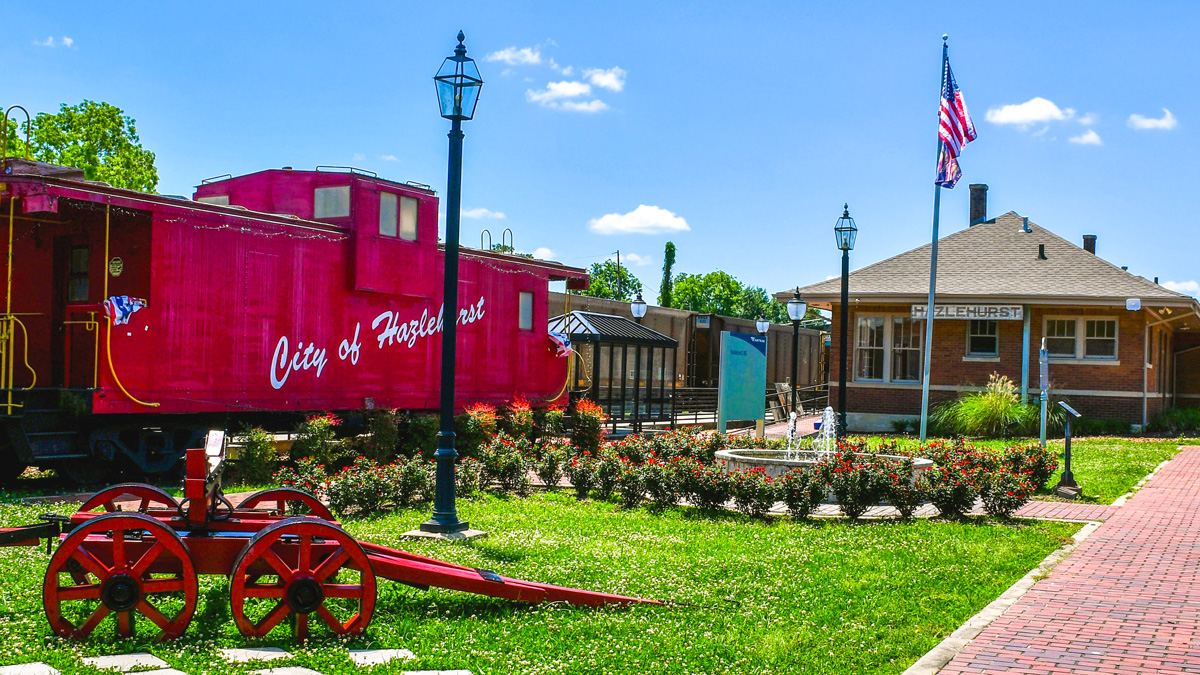
Founded in the mid‑1800s as a railroad stop on the New Orleans, Jackson & Great Northern Railroad, Hazlehurst grew into a regional hub for agriculture, timber, and small‑industry commerce. Its location made it a crossroads for cultural exchange — especially music — which shaped the environment that later influenced blues legend Robert Johnson.
Hazlehurst remains known today for its Mississippi Blues Trail markers, historic neighborhoods, and its role in Mississippi’s literary and musical heritage.
Robert Johnson: Hazlehurst’s Most Famous Native Son
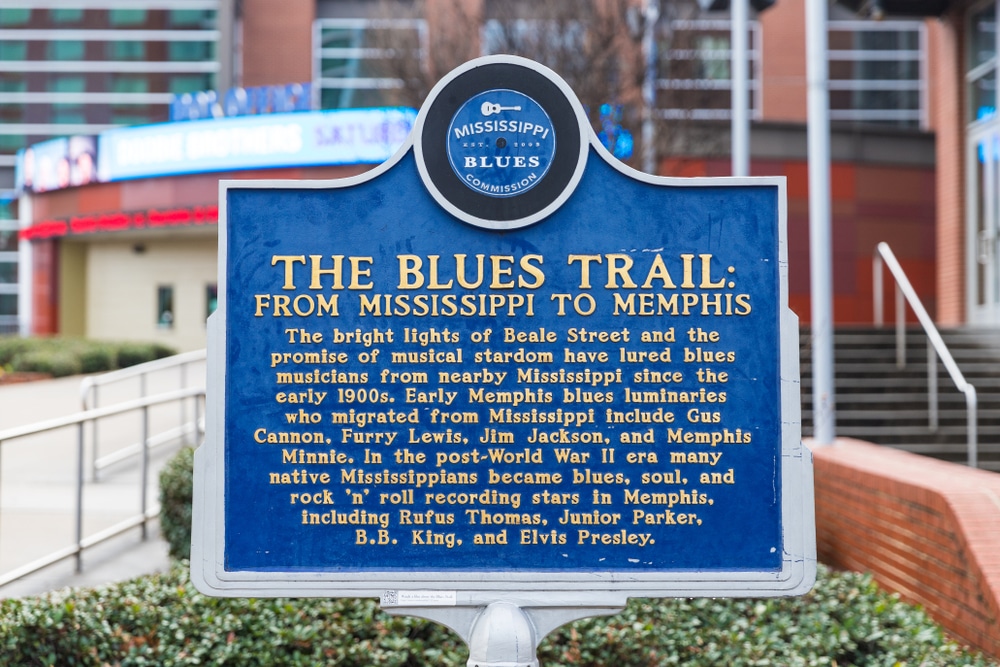
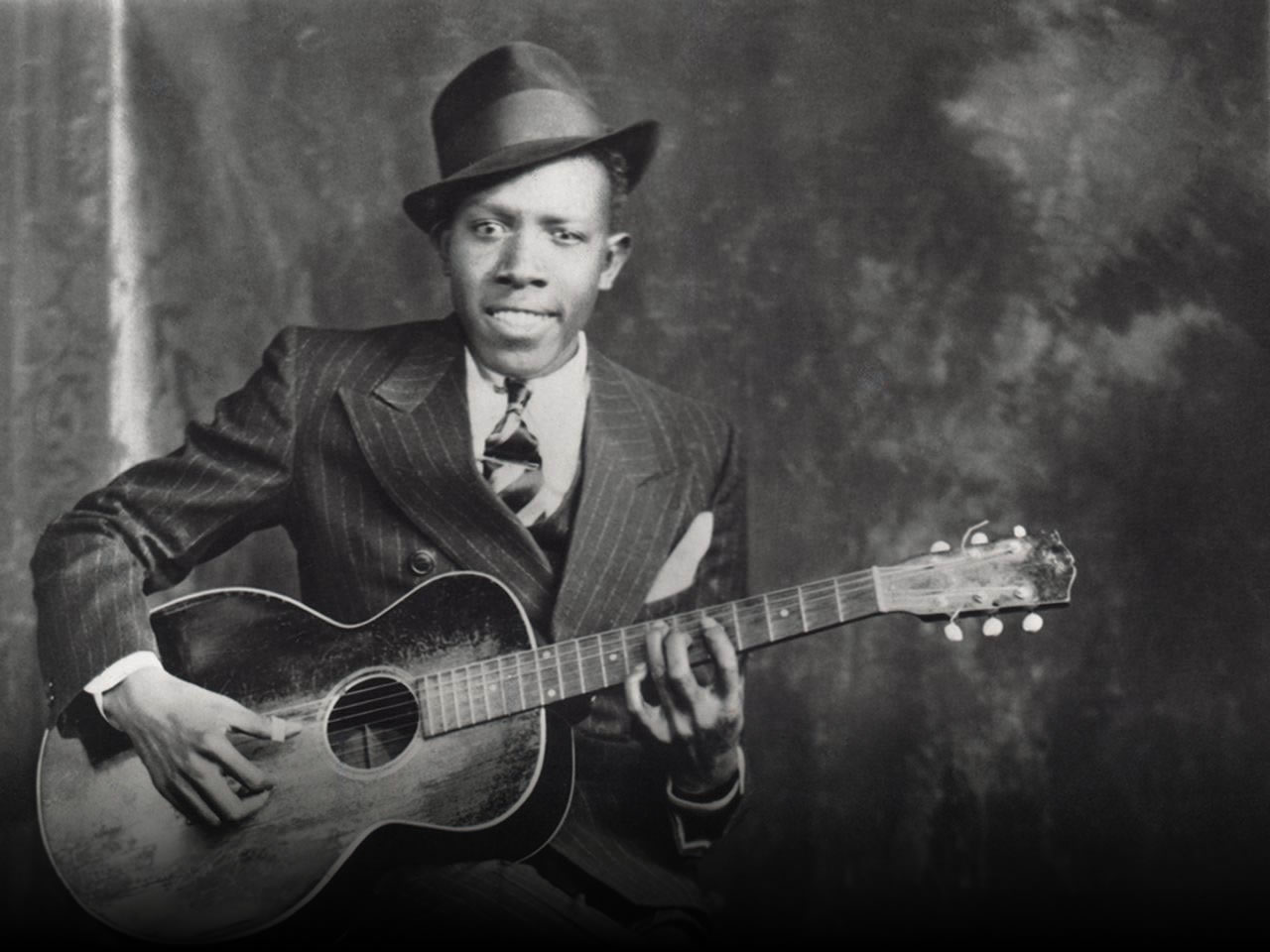
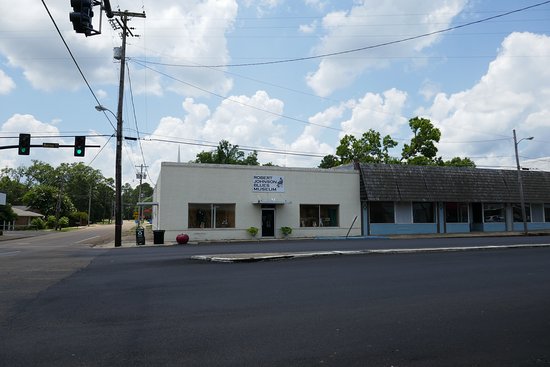
Birth & Early Life Robert Johnson — one of the most influential blues musicians in history — was born on the northern outskirts of Hazlehurst on May 8, 1911 (possibly 1912). His mother, Julia Majors, was originally from Hazlehurst, and Johnson’s early life involved frequent moves between Mississippi, Memphis, and the Delta. Visit Mississippi Blues Trail – Robert Johnson Birthplace – Visit Mississippi
Return to Hazlehurst & Musical Apprenticeship Around 1930–1931, Johnson returned to the Hazlehurst area seeking his biological father. During this period, he studied intensively with local guitarist Ike Zimmerman, practicing in cemeteries at night — a detail that later fed the mythic aura around his talent. This Hazlehurst apprenticeship is widely believed to be the turning point that transformed him from a mediocre player into a master.
Personal Life in Hazlehurst Johnson fathered his only known child, Claud Johnson, with Virgie Jane Smith of Martinsville, just south of Hazlehurst. He also married Callie Craft in nearby Martinsville in 1931.
Legacy Johnson recorded only 29 songs, but they became the foundation of Delta blues and influenced generations of musicians. Hazlehurst honors him with a Mississippi Blues Trail marker at his birthplace. His family has established The Robert Johnson Blues Foundation, to honor and preserve his legacy, in Crystal Springs, MS.
Beth Henley: Pulitzer Prize–Winning Playwright from Hazlehurst
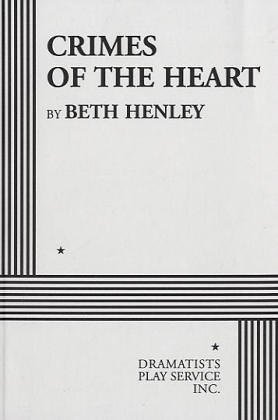

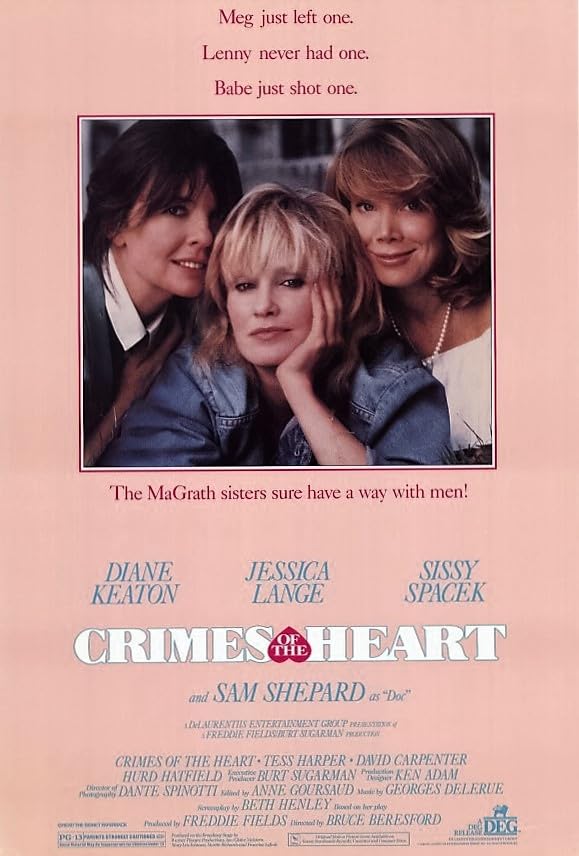
Beth Henley, born in 1952 in Jackson but raised in Hazlehurst, is one of Mississippi’s most celebrated playwrights. Her work often reflects Southern life, eccentricity, and emotional complexity.
Major Achievements
- Won the Pulitzer Prize for Drama for Crimes of the Heart (1981), a play set in Mississippi.
- Known for blending dark humor with Southern Gothic themes.
- Her upbringing in Hazlehurst influenced her sense of character, setting, and dialogue.
Henley’s success helped place Hazlehurst on the literary map, showing how small‑town Mississippi life can inspire nationally acclaimed storytelling.
Mary Tillman: Hazlehurst’s Local Historian & Cultural Preserver
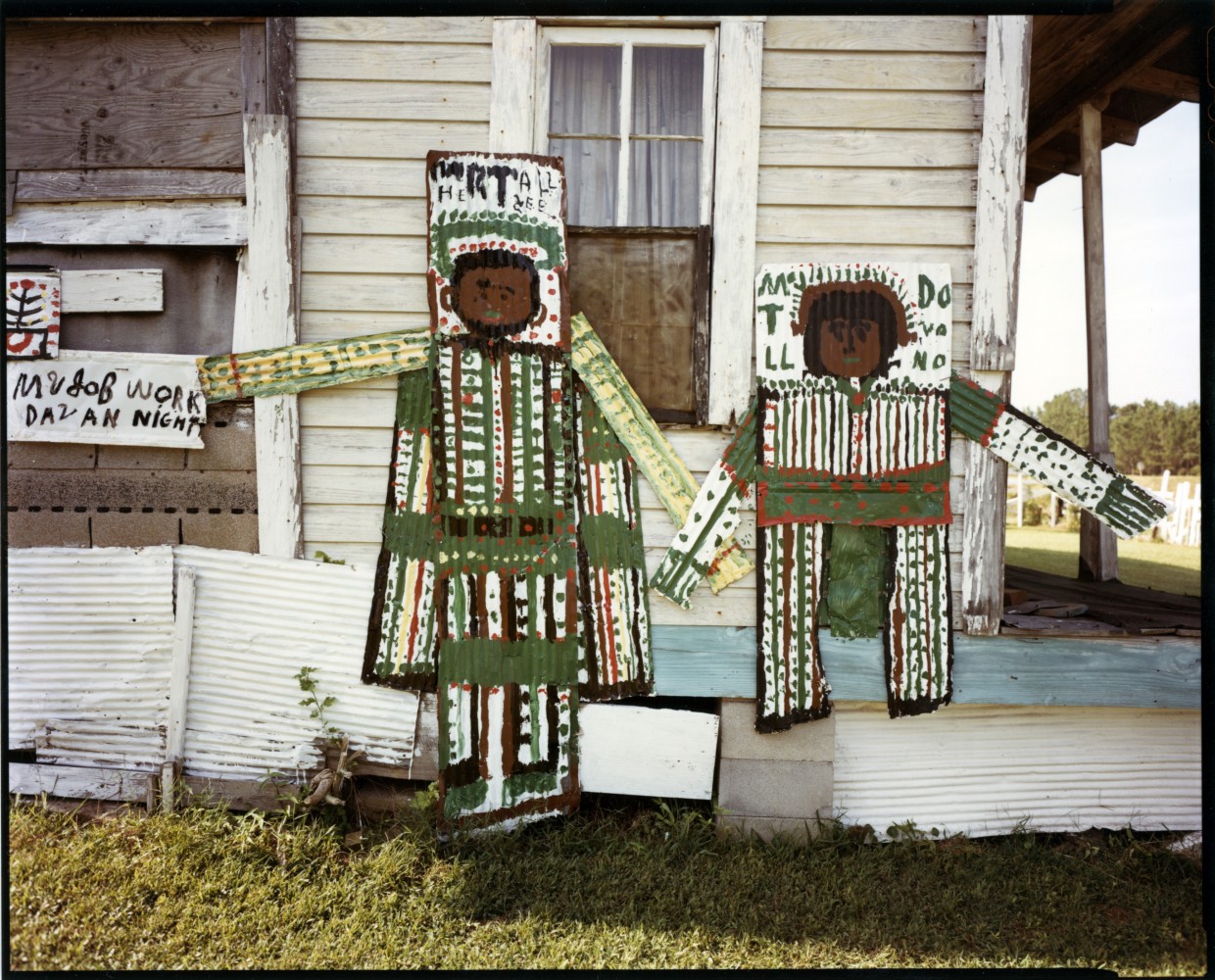
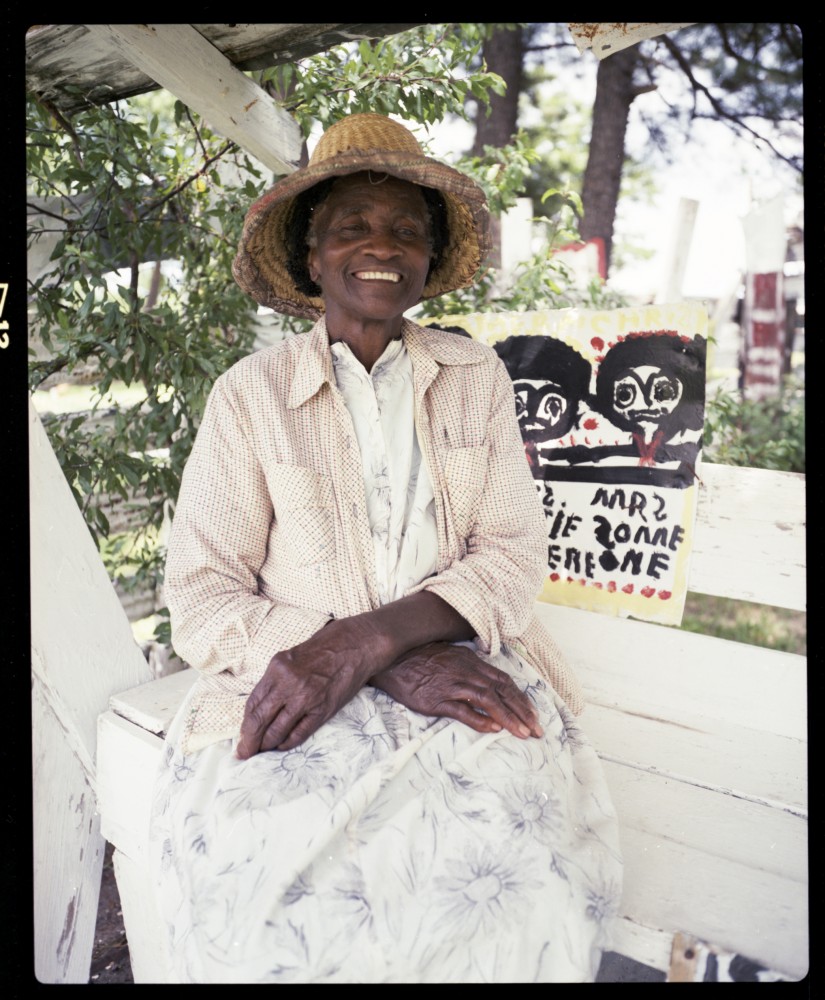
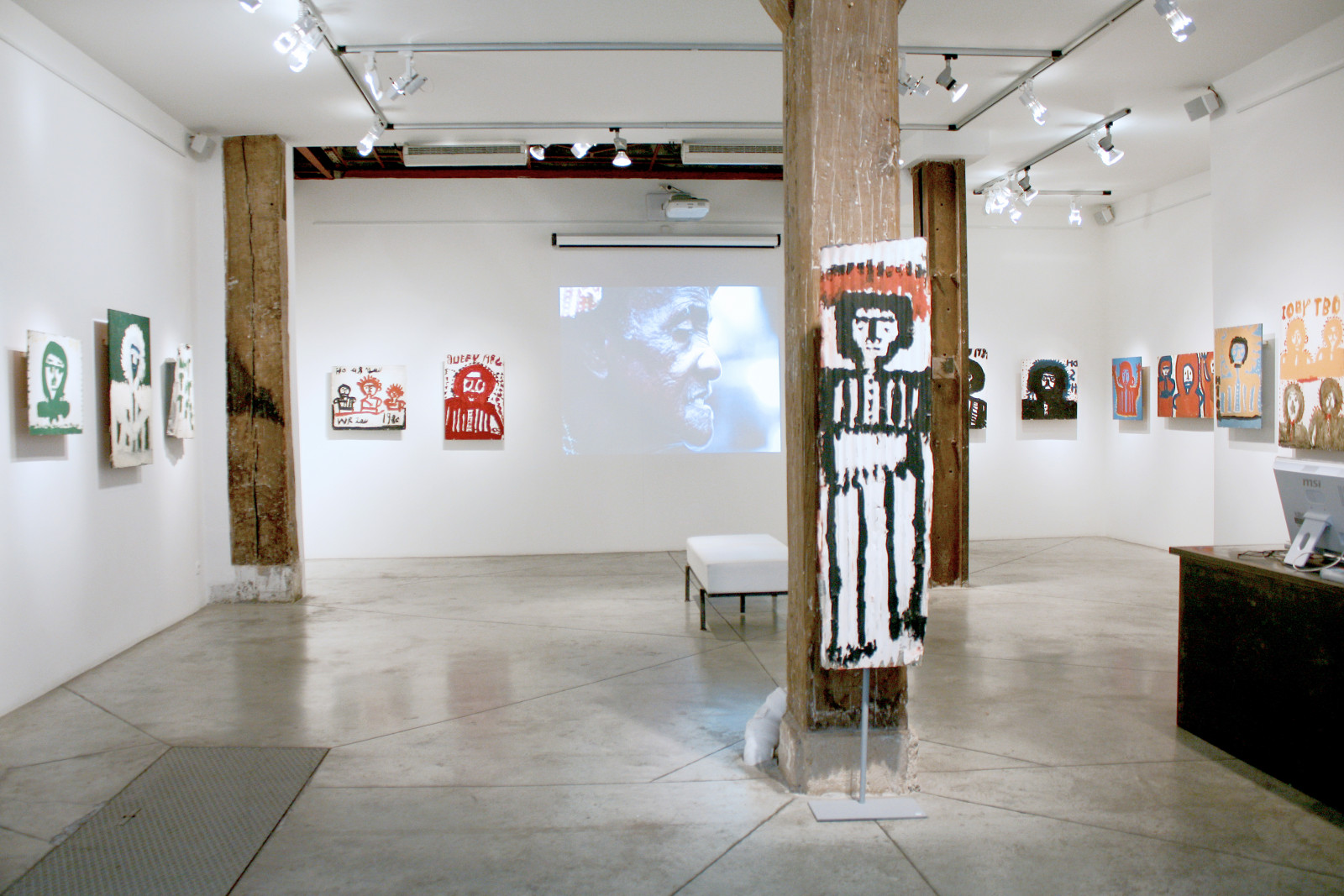
Mary Tillman Smith (1904–1995) was an influential African American folk artist who lived and worked in Hazlehurst, Mississippi for most of her adult life. Born in Copiah County, she grew up in nearby Martinville and moved to Hazlehurst after the end of her second marriage.
She is widely recognized as part of the Southern “yard show” tradition — artists who transformed their homes and yards into immersive environments filled with paintings, sculptures, and found‑object installations.
Mary Tillman is known in Hazlehurst as a local historian, educator, and preservation advocate. While not internationally famous like Johnson or Henley, she has been influential in documenting Hazlehurst’s community history, African American heritage, and local family lineages.
Her work is held in major institutions, including:
- National Gallery of Art
- Metropolitan Museum of Art
- High Museum of Art
- Museum of Fine Arts, Houston
She is considered one of the most important Southern self‑taught artists of the 20th century.